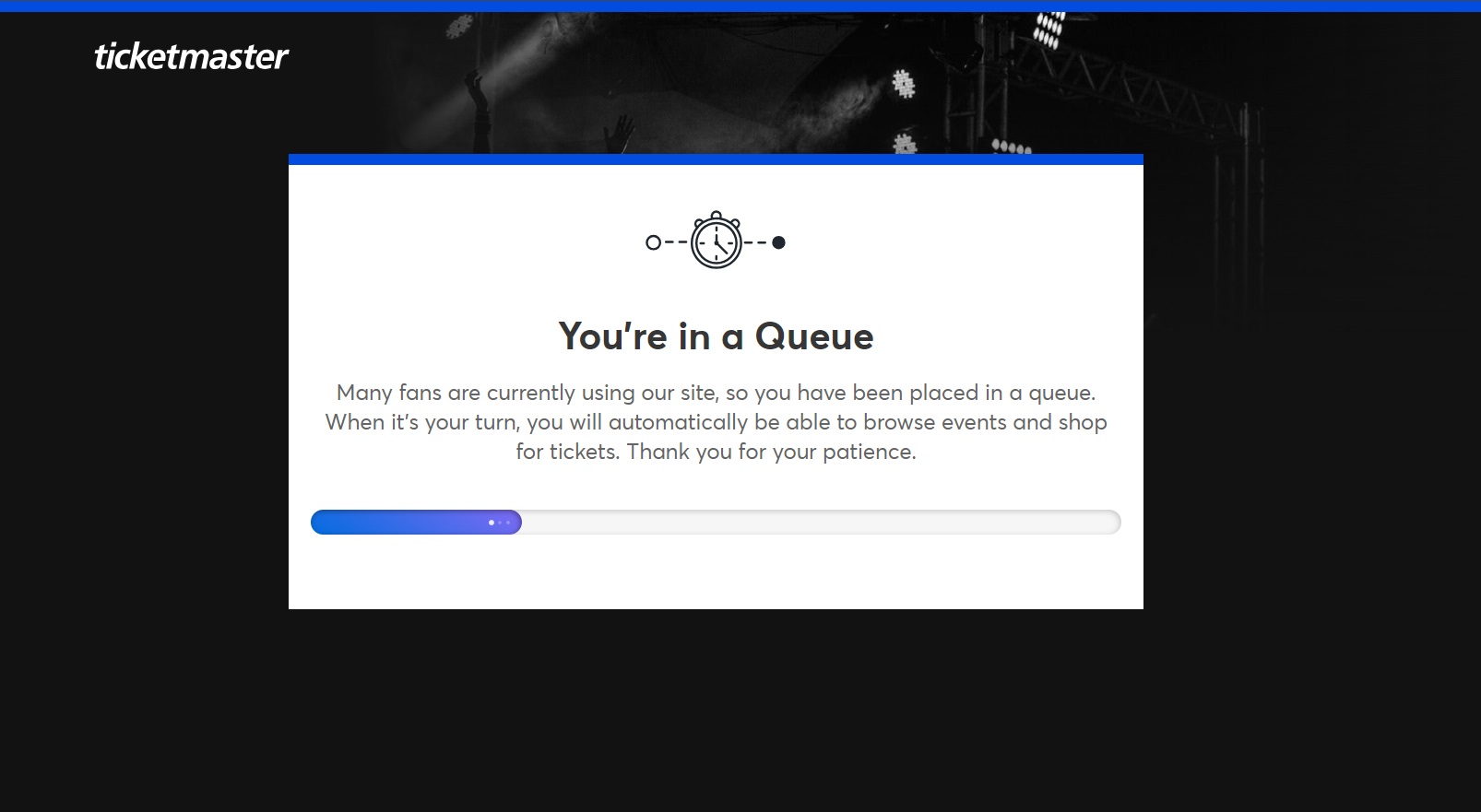
I write this as I finally admit defeat, having spent – I’ve lost count of how many hours – trying to secure tickets for the big Oasis reunion tour. Half a day was spent queueing up for the opportunity to join the actual queue, and any progress made once reaching the front of it was frustratingly fleeting. It’s been a whistle-stop tour of Ticketmaster’s various error screens, from being suspended as a bot and having the whole site crash under the weight of overwhelming demand, to having to queue up all over again only to find prices had doubled for the few remaining tickets. At least something happened on Ticketmaster I suppose; that’s more than can be said for See Tickets and Gigs And Tours, whose sites didn’t even attempt to sell any actual tickets. I’m far from the only one left empty handed. It seems like half the country spent their day chasing tickets which proved to be rare as hen’s teeth. Yet at this moment the disappointment of missing out feels dwarfed by my frustration at the appalling rigmarole of Ticketmaster’s shambolic sale.
The whole process feels outdated and unfit for purpose. All the dates of a high demand tour going on sale at the same time first thing in the morning, everyone looking to get their foot in the door like they’re trying to book a doctor’s appointment. Millions of people flocking to a webpage whose infrastructure crumbles under the weight of such high traffic – despite, y’know, supposedly being made for this very purpose. At this point a ticket website unprepared for a sudden influx of people feels like an ambulance crew constantly flustered by having to perform first aid at every stop. The unpreparedness is even more baffling when you consider that these constant surges in demand are a problem of the ticketer’s own design. If they aren’t able to cater for everyone at once, then why have the sales all at once in the first place? When sites introduced staggered sales for Taylor Swift’s Eras Tour, that should have been the wake-up call to start selling tickets in small batches as the new norm. Apparently not, that would have been far too sensible.
I feel like we could avoid flocking en masse to these ill-equipped sites if we had more options of where to get tickets. Time was when physical tickets went on sale in person at the venue’s box office at the same time they appeared online. A few years back I managed to see Arcade Fire play an intimate gig, with tickets in very short supply, by queuing up outside the venue. Obviously queueing up outside at the crack of dawn isn’t for everyone, and having one city-long line stretching out from a stadium’s box office window has its own share of problems, but it has got me thinking. For one it’s going to put a dent in the number of touts buying tickets to resell – who but the biggest fans will be willing to get up early to stand out in the rain? Secondly there’s no reason why the venue itself has to be the only place selling tickets. It used to be that local record stores would sell tickets for events in their city, imagine how great it would be to foster that kind of cooperation and community again. With talk about introducing a levy on arena tickets to support grassroots venues, why not cut out the middleman and have those smaller venues sell the tickets for arenas and benefit from pocketing the booking fees?
Of course, the reason why our ticket system is such a shambles, is the same reason most facets of modern life are in such a shocking state: corporate greed. We can’t buy tickets from anywhere else because Ticketmaster’s monopoly has made it so that there is nowhere else. Their site can afford to be a revolving door of error messages because they don’t have to worry about competing with a better system. They get away with slapping whatever sickeningly inflated price they fancy onto tickets without any prior warning because, the hell you gonna do about it? – buy them somewhere else? – didn’t think so. The price of big gigs has been spiralling out of control since covid. The most expensive ticket I’ve ever bought was to see Fleetwood Mac – the full, classic Rumours line-up; the last time they were all together – back in 2015 for £80 plus fees. These days that feels like the asking price for any old arena show, even new acts with an album or two to their name playing big crowds for the first time. I’ve backed out of buying tickets a number of times now, as I’ve sat at the payment screen looking at the asking price and thought: “Is this really worth more than Fleetwood Mac?”. The answer is, almost always, no.
“Well just go to smaller gigs instead! Give that money to new artists and grassroots venues!” some might say. It’s a call I myself have echoed recently. But a healthy live music landscape requires gigs of all sizes, large and small, and simply saying “it is what its is, what do you expect?” does nothing to change things. We need governments to enforce more consumer friendly ticketing practices, we need fans to refuse to acquiesce to exorbitant prices, and we need more artists to speak out. Robert Smith of The Cure has been fighting tooth and nail to keep tickets affordable, even forcing Ticketmaster to refund extra fees to customers, while the ever brilliant Maggie Rogers has gone so far as to sell tickets personally, meeting up with queuing fans. A few more acts willing to speak up and take action for their fans could be the turning point for a fairer and more sensible ticketing system. The alternative sees tickets getting more expensive, the websites selling them being less up to task, and the stress of buying them not worth the hassle, until ultimately some household names turn up to play an empty arena and wonder where it all went wrong.
 Belwood Music