If there’s one sure fire way to win my heart – and earn a spot on my best videos list – it’s through stop motion animation. I just adore the tactile, tangible nature to it. The sheer amount of effort and dedication that goes into every frame. In an age of instant gratification, there’s something endearing about a craft that has so much time and consideration invested in it. The charmingly spooky video for ‘Happy Birthday’, which weaves a tale of two bird folk trying to escape a pair of hunters, offers a prime example. Intricate, meticulous, outlandish, beautiful, a little dark but otherwise full of heart – sounds like a perfect fit for Black Country, New Road. The track itself, a taster of their forthcoming album Forever Howlong out 4th April, feels like the band properly finding their footing again after the departure of Isaac Wood. Tyler Hyde’s vocals are bright and assured, Lewis Evans’ soaring sax more rousing than ever, all interwoven with an undercurrent of progressive folk that leaves me excited to hear what the rest of BCNR’s new record has in store.
Author: James Fenney
Top Tracks: Kelcey Ayer – Different Planets
Walking a line between affecting ethereal beauty and a strange, eerie atmosphere, ‘Different Planets’ has a fittingly otherworldly feel. This solo outing from Kelcey Ayer, of Local Natives and Jaws of Love fame, fuses lush folk, electronic flourishes and hypnotic harmonies in such a unique and curious way. Penned for his newborn son on a baby blue ukulele gifted to him, the track finds a gorgeous dreamlike quality existing alongside something alien and uncanny – the latter aided by the surreal self-directed video which sees Ayer pursued and tormented by a figure in a wolf mask. The journey from a few notes on a child’s ukulele, to a track this deep and haunting, is a truly impressive feat of imagination and creativity. What’s more, somewhere wrapped up in all this, intentionally or subconsciously, lies a fitting metaphor for fatherhood. The euphoric sense of wonder that comes with welcoming new life into the world, and the unsettling realisation of all the responsibility that this new reality brings.
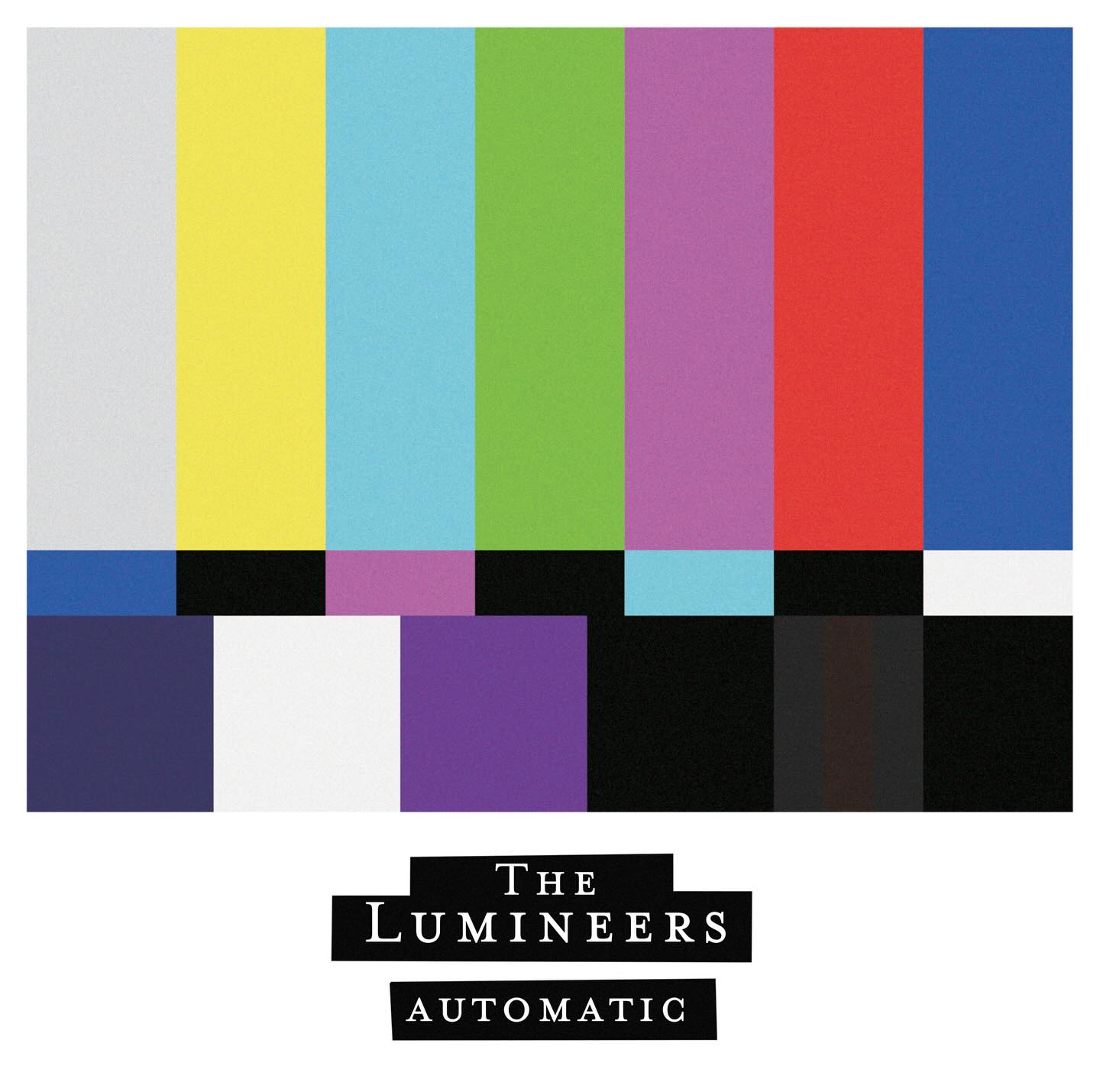
Album Review: The Lumineers – Automatic
Top Tracks: Hannah Grace – Try
Sometimes it’s all too easy to get swept up in “what-ifs”. The idea that there could have been a wholly different version of me, leading some richer life, had I not been so paralysed by anxiety. In being too shy to talk to a stranger did I miss out on meeting my new best friend? What remarkable opportunities passed by simply because I didn’t have the confidence to put myself out there? There’s no way to change the past, but the future is still yet to be written. If a better life was that close to your grasp once before, who knows what new changes for the better might be just one small step outside your comfort zone away. ‘Try’, the latest single from Belwood favourite Hannah Grace, is all about breaking out of the grip of fear and doubt one small step at at time. This beautiful ballad is a welcome reminder that for every outcome you fear, there are just as many ways each day can turn out better than you hoped. We can’t banish all our anxiety and insecurities with the wave of a hand, and not every chance we take will pay off, but it’s only through trying that we open ourselves up to new possibilities. Regardless of the outcome, every moment we’re able to silence our self-doubt, overcome our fears, and have a little faith in ourselves, is a triumph worth celebrating.
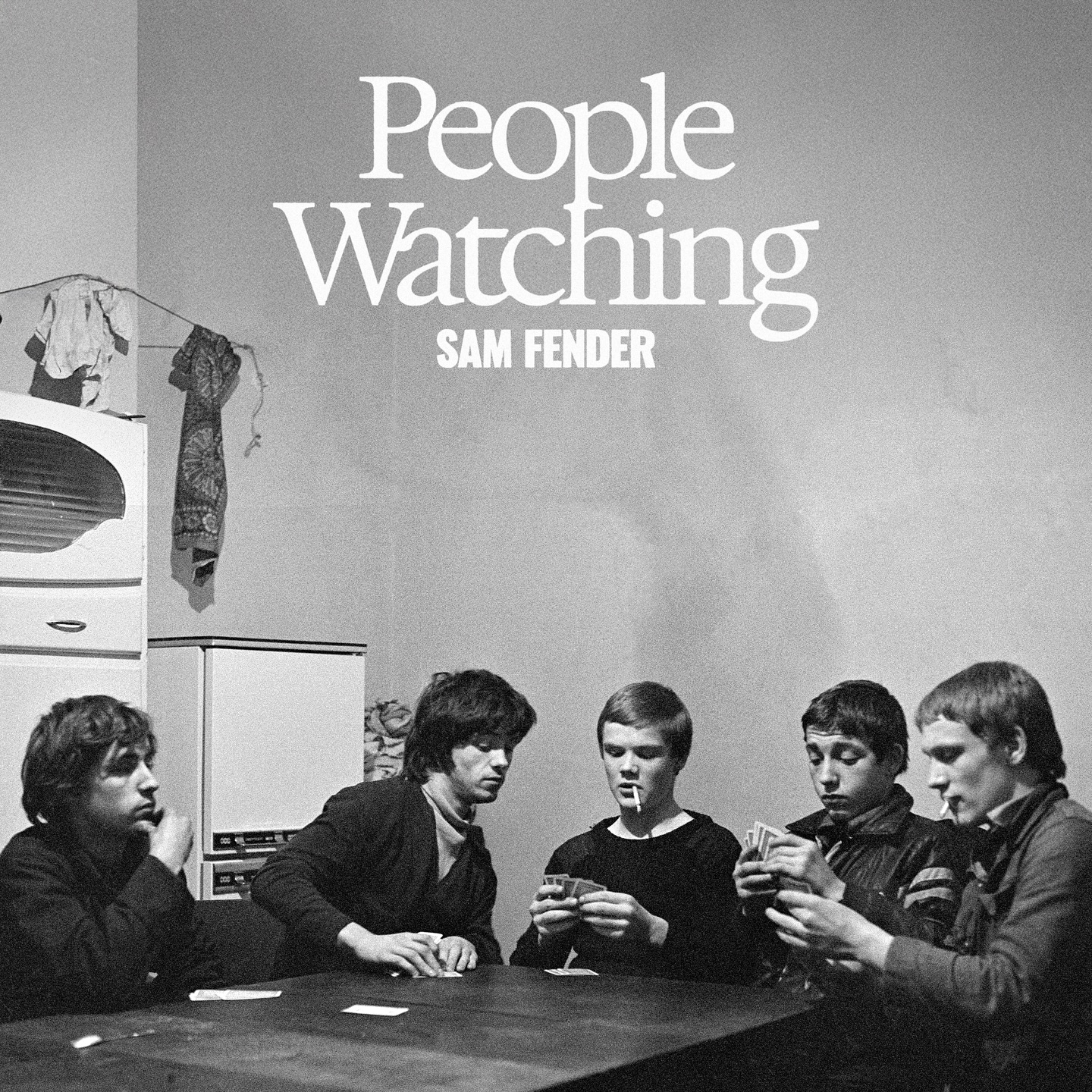
Album Review: Sam Fender – People Watching
Top Tracks: Meka – Tomato Song
“Tell me something beautiful and really make me feel it“. That haunting refrain at the heart of ‘Tomato Song’ is something that meka achieves within mere heartbeats of first hearing her resplendent vocals. A charming vignette of a little house in a canyon, vividly painted by an achingly gorgeous voice reminiscent of the golden age of singer/songwriters – safe to say I was hooked within the first couple of lines. The bittersweet balladry that follows only served to deepen the love instilled in me by that bewitching opening. Interweaving fond memories of her mother gardening with more abstract flashes of introspective melancholy, the track feels like a rumination on how the darkness swirling within and the beauty around us can overlap and leave a mark on each other. How an idyllic moment may have sadness hiding in its shadows, and how even the deepest depths of brooding may still allow light to shine in through the cracks. In the nostalgic, sepia-toned sounds of ‘Tomato Song’, meka delivers an ode to the hazy border between dreams and reality, beauty and sorrow, meaning and emptiness, and rarely has the in-between sounded quite this entrancing.
Top Tracks: Monotronic – Looking Away
Watching the sublime, sun-kissed music video for ‘Looking Away’ hits different in a cold grey February. Those azure skies and golden sands feel like a glimpse into paradise, with Monotronic’s anthemic synth driven indie sound bringing a boatload of Killers energy to boot; the kind that makes it feel like the sky is the limit. What I’d give to be cruising through Joshua Tree in a classic car right about now. Shimmering synths, at max volume, echoing across the landscape. It feels so far removed from where I am right now, so unattainable, that it barely feels real. Like a dream of a dream. Yet I find myself daydreaming about it all the same, imagining it’s me under that sun – much as the video’s central character can’t help but dwell on thoughts of unrequited love. There’s a spark of joy in the wildest of fantasies that no amount of good sense and logic can extinguish. It’s all too easy to be disheartened by reality, but this track by indie outfit Monotronic reminds me how that little far-fetched oasis containing your heart’s desire, the one that lingers in the back of your mind, is a secret slice of paradise that no one can take away.
Top Tracks: FangSlinger – Blood Curse
If a song exists, I can all but guarantee there is a metal version of it on YouTube somewhere. Everything from Drake to Disney has had this treatment at some point in time. Take X and make it heavy. Yet much as I love a bit of metal, nine times out of ten these experiments don’t work for me. Most of the time it feels like a superficial veneer that just doesn’t fit the tone of the song; the two constituent parts just too far disconnected to truly work together in harmony. Up and coming trio FangSlinger aren’t the first to try and fuse the disparate worlds of country and heavy metal, but they just might be one of the best. After all, what better common ground to explore between the two styles than a story about a deal with the devil? An inspired choice! The way ‘Blood Curse’ commits to the theatricality of its tale of an undead outlaw, weaving the same gothic western splendour into both of its converging musical bloodlines, is one of its greatest strengths. From its dark country twang and menacing riffs, to its vivid storytelling and gritty Chris Cornell-esque vocals, this is just the song you never knew you needed.
Top Tracks: OK Go – A Stone Only Rolls Downhill
We’ve not even escaped the clutches of January yet, but our award for best video of 2025 may as well be set in stone at this point. Such is the power of OK Go. Their creativity and determination when crafting enthralling, joyous, mind-boggling visuals is unmatched. They have this uncanny knack for taking an outside-the-box idea, one that seems simple at first glance, and then pushing it to an extreme that requires a level of patience and logistical effort that would drive most people mad. In the case of ‘A Stone Only Rolls Downhill’, the first single the band’s forthcoming fifth studio album And the Adjacent Possible, it takes the form of a mosaic of videos playing across multiple phone screens, each piece working in harmony toward the bigger picture. As it constantly builds in complexity, I’m left baffled as to how long it took them to even storyboard the whole affair, let alone recording the dozens of one-takes and ensuring they all lined up on time. When it comes to music videos, OK Go just operate on a higher plane of existence, and they deserve every accolade going for their boundless ingenuity.