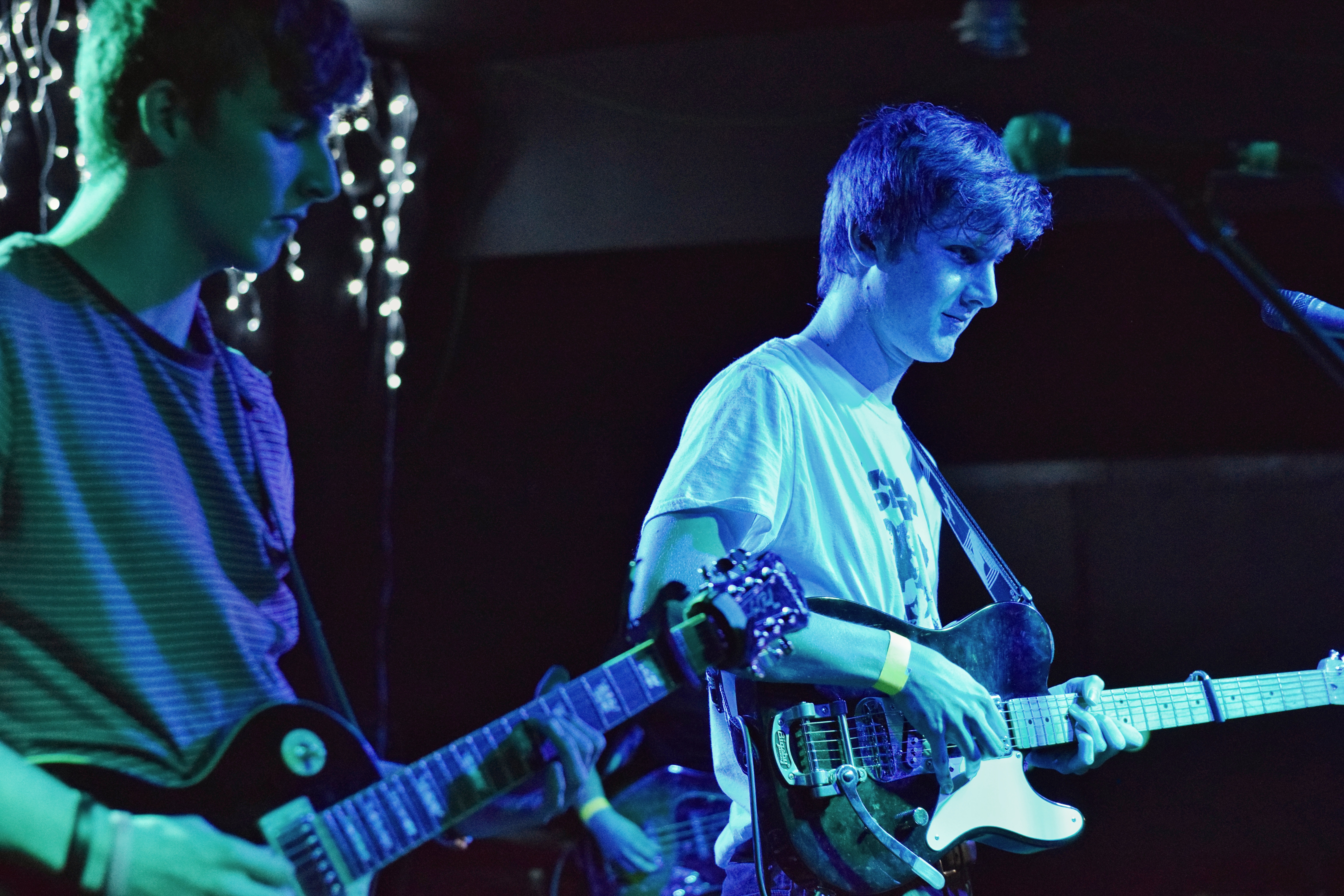
Every music lover has been there. The buzz of finally seeing your favourite band being amplified ten-thousandfold by an arena full of likeminded fans. A sea of people swept up into a frenzy when the music drops, the lights dim, and a flurry of distant motion in the darkness signifies the start of something special. The lights, the crowd, the scale of it all. The masses gathered in a vast cathedral in worship of music itself. There’s an inherent electricity that comes with the grandeur of arena sized gigs, a thrill unlike anything else. And yet, with each passing year, I find myself returning for another hit less and less. These days I get my buzz elsewhere; backrooms of bars, dingy basements, church halls in forgotten backwaters. And you know what?… It’s a change I feel all the better for.
Of course, for many of us the shift towards small grassroots gigs over big arena concerts is one that’s pushed upon us at first, rather than an active choice. The elephant in the room here is that arena and stadium gigs have become unsustainably expensive. Between spiralling production costs and corporate greed driving ticket prices ever higher, and inflated bills and stagnating wages giving folks less money in their pockets to begin with, it’s getting to the point where large concerts are becoming a luxury reserved for the elite rather than live music for the masses. A nest egg which could have paid for a whole summer of music just a few short years ago will now barely pay for nosebleed seats for your favourite artist.
Acts like Noah Kahan and Olivia Rodrigo, who have recently graduated to some of the biggest venues around after riding a wave of well earned acclaim, have been charging around £80 a ticket for their most recent tours. That’s nearly double what it cost for your average arena gig pre-pandemic. Around the time I started this blog I remember seeing iconic bands like Rush and Fleetwood Mac for a similar price. These days, seeing the biggest acts comes with a price point in the hundreds. Taylor Swift’s Eras Tour had VIP packages in the thousands. Prices are growing so fast that Harry Styles fans struggled to afford groceries after tickets were nearly double their expected (and already over-inflated) price tag. And that’s if you can get tickets in the first place, if you’re instead resorting to insidious resale sites then you best be prepared to sell a kidney. However, for the same money as even one of the more reasonably priced arena tickets, you could afford to see half a dozen shows at grassroots venues.
When it comes to venues, it’s not the size it’s how you use it. Looking back, the best and most formative live music experiences in my life have been intimate affairs. Seeing the likes of Wolf Alice and Father John Misty at The Plug in Sheffield (RIP) just as they broke, watching Gang of Youths tear up an austere student union stage like they were headlining Glastonbury, the religious experience of seeing Maggie Rogers exuding boundless joy at a small independent festival. Most recently seeing one of the most exciting bands of recent years, The Last Dinner Party, at The Welly in Hull. I remember being a skint student sleeping rough at St Pancras station after seeing Foy Vance at Bush Hall; not my proudest moment, but it was a show worth every last restless shiver. In fact, I think most every “I can’t believe I was there” moment I’ve experienced has been in a space just a few times bigger than my living room, with tickets often costing about as much as a takeaway.
People love to brag about how “I once saw (massive band) in (tiny venue)” – and sure, part of that is just wanting to feel ahead of the curve, but deep down we know it’s because the atmosphere at those tiny gigs is just better. An arena show is simply another interchangeable date on a tour, each amphitheatre indistinguishable from the next. From a vantage point further back, your favourite artist is either a tiny figure in the distance or a face on TV screen, and from their point of view your face is just another speck in a vast matte painting, as they run through their highly polished routine. The scale brings with it a disconnect between the artist and their fans. With small venues often having more unique character to them, and the intimacy of the spaces resulting in a lot more personal interaction between the band and the crowd, every show ends up feeling like a once-off experience.
Yet if trends continue, moments like that will be lost, and all we’ll be left with is extortionate corporate arena tours. Between rising costs and greedy landlords, grassroots venues are disappearing at an alarming rate. Without sharing the stories of what they mean to us, and shining a light on their importance in the wider music landscape, we risk losing many of them forever. Many will leap to their defence by professing something along the lines of “support your local music scene, as you never know when you might catch a future Wembley headliner!”. While the sentiment is appreciated, and it’s true that without smaller venues fewer and fewer acts will graduate to arenas, these spaces aren’t mere stepping stones. For many acts these tiny back rooms already are their Wembley.
I’d much rather see the reverse, and have big name acts return and give back to the small venues that started their careers. You could play for just as many people in a dozen different small rooms (or one long residency in one), rather than a single large one, and cut down on the cost of big productions in the process. Instead of up-and-coming acts playing the same handful of major cities as everyone else, why not cast a wider net and play venues in forgotten corners of the country? Why be just another show in London, where there’s a thousand other shows all vying for attention, when they can be the one and only main event that weekend in some quiet out-the-way town. Short of a major shift in the industry, or wider society at large, the only way we’ll keep our grassroots venues is by using them. Remind people that they’re the lifeblood of the industry by putting on shows far and wide, in every bar, hall and café willing to host them, in every far flung corner of the country. Do what grassroots gigs do best: give people a night they’ll remember for years to come.
 Belwood Music