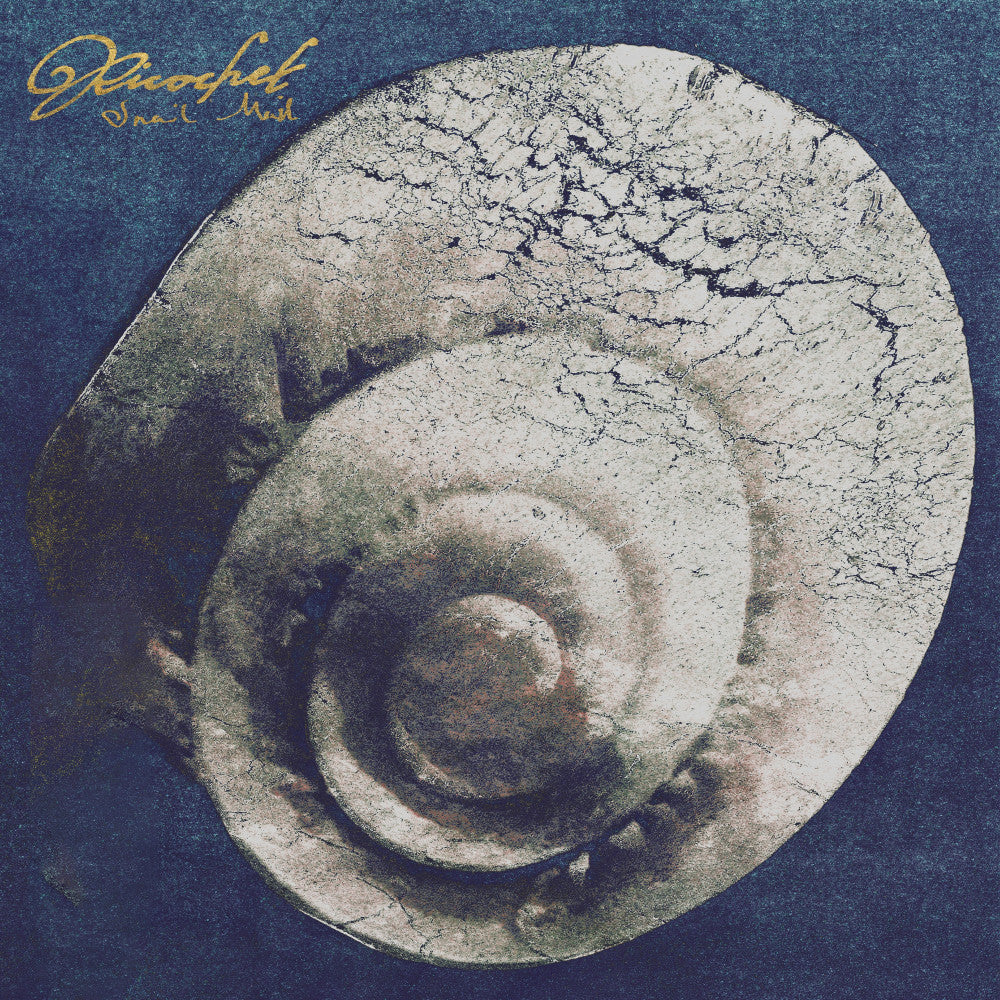
Snail Mail – Ricochet
Indie Rock
60%
Sometimes there’s power in a name. Sometimes just a single word can tell a whole story, and provide all you need to know. That was certainly the case for Snail Mail’s debut Lush. That word just sums it up to a tee – warm, rich, opulent. How I adored that record when it first came out. Revisiting it now feels like reopening a time capsule from a better, more hopeful time. A time when I eagerly awaited what new heights that promising debut would bloom into. Sadly nothing of that quality materialised again from Snail Mail, and what I thought would be one of indie’s hottest new driving forces seemed to fade into the backseat. Yet that hopeful spark in me flared a little with the release of this latest record. Part of me hoped Ricochet would also live up to its name, that Snail Mail would bounce back with a true return to form.
Lush certainly wouldn’t be an apt word to describe this latest record, despite the best efforts of some of the string arrangements. The album’s poor production really holds it back, sounding muddied and muffled at best, and at times so thoroughly suffocating that it feels like an intentional act of sabotage. Production is a key pillar in what makes an album, but it’s not something I tend to spill too much ink on. Granted, poor production can absolutely hold a record back. This is especially true when it comes grassroots artists trying to chase their big break; production quality is often the main hurdle they need to overcome in order to sound like (for want of a better term) a professional artist. Yet the reason why artists recording ideas into a shoddy mic in their bedroom can ultimately make it big is because poor production cannot wholly obscure good songwriting. No matter how muddy it may get, brilliance will still shine through.
To its credit, Ricochet has plenty of moments of brilliance. Its highlights tastefully draw from the cream of the crop of 90s alternative. The interesting beat and bittersweet strings on ‘Light On Our Feet’ has a lot of Automatic for the People DNA to it, while the way the jangly guitar tone and impactful rhythm section rises in tandem with the strings, towards a triumphant brass finale, reminds me a little of Mellon Collie era Smashing Pumpkins. Perhaps the record’s finest work is when it dips into Jeff Buckley territory on ‘Butterfly’. I love how shifting and dynamic it feels, how the swirling guitar breakdown collapses into amore moody and stripped back outro.
The issue is that more often than not these moments are just that – moments. A quick flash of something greater buried within a filler track, which is then itself buried under the poor mix. The fleeting bloom of bright melodic guitar work on ‘My Maker’ doesn’t counteract how the dull, droning folk of the rest of the arrangement. Any goodwill ‘Dead End’ earns with its potent hook is lost by the time you get to the irritating “Na Na Na’s” of the outro. Good songwriting will always find a way to shine through poor production, but no amount of great production will remedy lacklustre songwriting. Even if great effort was taken to polish Ricochet to a brilliant sheen, it would still feel like a record of forgettable filler. Though not in the way that I first hoped, Ricochet still lived up to its name in the end, as I just bounced off of it completely.
 Belwood Music